8 important dental care tips
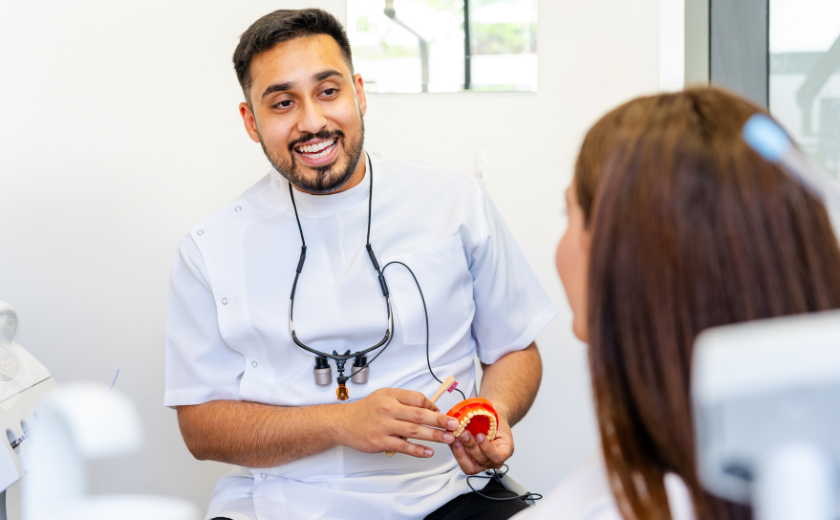
Peoplecare Optical and Dental’s Senior Dentist Dr Jasanmol Singh, shares eight dental tips that you may be overlooking.
An electric toothbrush is a worthwhile investment
If an electric toothbrush is accessible, it’s a good option. They’re designed to deliver a deeper, more effective clean — similar to what you’d experience during a professional dental visit.
While the brush head may not reach below the gum line, its controlled movements and consistent cleaning action outperform traditional manual brushes. When choosing an electric toothbrush, look for features like easy replacement heads to ensure long-term value.
Flossing is your friend
Flossing is just as important as brushing — one can’t replace the other, but together they are a powerful combination. Be gentle when flossing; too much pressure can damage gums and create spaces where bacteria thrive.
Use about five centimetres of floss at a time, wrap it around your fingers, and use a fresh section of floss between each tooth. Kids may prefer floss picks as they’re easier to grip.
The goal is simple: clean the areas your toothbrush can’t reach.
Toothpaste needs time to activate
Are you brushing your teeth for at least two minutes? To give your toothpaste the chance to do its job properly, I advise brushing well for two minutes and then waiting another thirty seconds before rinsing. Toothpaste takes time to activate fully.
Of course, you need to give your teeth and tongue a thorough clean with a quality toothbrush and toothpaste as well. If unsure if yours are of a good standard, bring them along when you visit your dentist and ask them.
What and when you eat counts
What you eat plays a big role in your oral health. Sugary and starchy foods feed bacteria that cause tooth decay and gum disease.
Where possible, try to:
- Limit sweets and enjoy them with meals rather than as snacks.
- Choose healthy snacks like fruit, vegetables, natural yoghurt, plain popcorn, soups, or cheese.
- Pick fresh fruit over dried fruit — dried fruit sticks to teeth and fuels decay-causing bacteria.
- Finish sweet or acidic foods with a piece of cheese; dairy helps repair damage caused by bacteria.
Regular check-ups matter
You probably know this, but it’s good to remember that regular dental visits are one of the best ways to protect your oral health. Dentists can spot early signs of cavities and even misaligned teeth, before they become serious. Catching issues early means less pain, fewer complications, and usually, less costly and invasive treatments down the track.
I recommend twice-yearly check-ups, which I know takes time and effort. However, check-ups are also crucial for the early detection and intervention of gum disease and oral cancer, so it’s worth it. A good dentist can spot both in their early stages, which greatly improves the chances of successful treatment.
By staying up to date with your dental care, you’ll keep your smile healthy and bright for years to come.
Mouthwash is overrated
Mouthwash may not be doing much for your dental hygiene. Most mouthwashes contain alcohol, which dries out your mouth and creates that fresh feeling. However, once saliva returns, bacteria can multiply rapidly, often making bad breath worse than before.
For lasting oral health and just fresh breath, focus on brushing and flossing over mouthwash.
Vaping affects your oral health
People who vape or smoke face a much higher risk of gum disease, tooth loss, and complications after dental procedures such as extractions or oral surgery. They’re also more likely to develop mouth cancer, experience infections, and heal more slowly compared to non-vapers and non-smokers. Learn more.
Act on pain
Last but not least, a toothache isn’t just a (painful) nuisance — it’s often a signal that something more serious is happening. If your tooth feels unusually sensitive or hurts when you eat or drink, don’t ignore it.
Book an appointment with your dentist as soon as possible. Pain like this usually points to an underlying issue that needs attention before it becomes more complicated and costly.
Please don’t let fear (about costs or dental procedures) stop you from looking after yourself. You only get one set of adult teeth: it’s best to look after them (and keep them well into your senior years).
Dr Singh combines his expertise in preventative care with advanced restorative dentistry to provide comprehensive treatment at Peoplecare Optical and Dental in Wollongong.
Book an appointment with Dr Singh or another of Peoplecare Optical and Dental’s experienced dentists here.
If you have Peoplecare Extras cover, you’re eligible for no gap preventative dental* at Peoplecare Optical and Dental. This means you get a consultation, X-rays, scale and clean, and fluoride treatment, with no out-of-pocket costs – up to your annual limit.
If you don’t have extras cover, don’t worry. All Peoplecare members still enjoy 10% off all dental services at Peoplecare Optical and Dental.
Not a Peoplecare member? Here are 15 reasons to choose us.
*For members with Peoplecare extras only. ‘No gap’ means there are no out-of-pocket costs on a selected range of dental treatments (as long as your annual dental limit hasn’t been used). Excludes treatment-only appointments.