Strength training tips
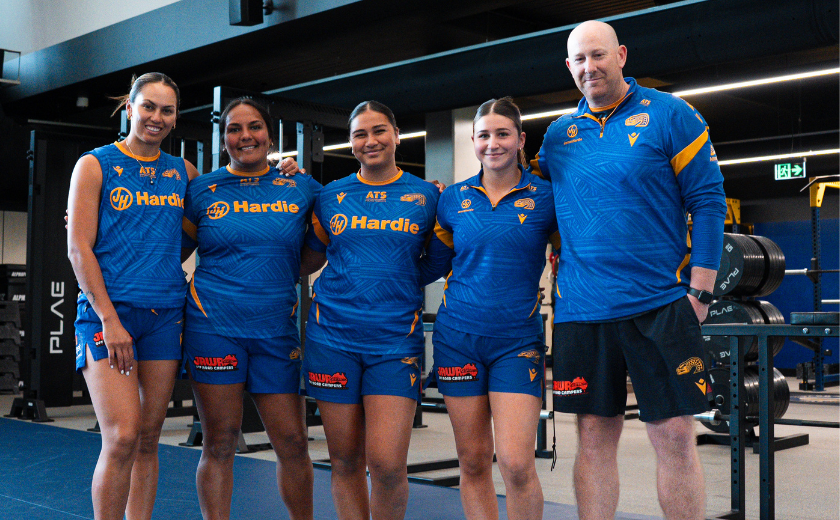
Brendan Inkster, Head of Performance at the Parramatta Eels NRLW & Academy, shares his top 5 strength training tips and explains why strength training is important for elite athletes.
What are your top tips for individuals' who want to start strength training?
- Get medical clearance where appropriate - If you're new to exercise or have any health concerns, speak with a healthcare professional before starting a program.
- Follow a structured plan - Working with a qualified trainer or following a well-designed program can help ensure your training matches your goals, experience and lifestyle.
- Focus on consistency - You don't need every session to be perfect. The biggest results usually come from showing up regularly and building good habits over time.
- Prioritise nutrition and recovery - Recovery is just as important as the training itself. Eating well, staying hydrated and getting quality sleep all support progress.
- Be patient and trust the process - Meaningful strength gains take time. Stay committed, celebrate small wins and remember that progress is often built over months, not weeks.
The most important thing is to start. Consistent effort over time will always outperform short bursts of motivation.
How important is strength training in getting the team match fit?
Strength training is a key part of preparing our NRLW team for the demands of both training and competition: it helps our players build the strength, power and resilience needed to perform at a high-level week after week.
While strength training is an important component of physical preparation, it works alongside skills training, conditioning and recovery, rather than replacing them. When all these elements are combined effectively, athletes are better equipped to meet the physical demands of their sport.
Does strength training reduce injuries?
Appropriately planned strength training is associated with a lower risk of many common sporting injuries, making it an important part of an athlete's overall preparation. By improving strength, stability and physical resilience, players are generally better prepared to cope with the demands of training and competition.
However, no training program can completely eliminate injury risk. Factors such as training load, recovery, previous injuries and the nature of the sport itself all play a role in injury outcomes.
What would a pre-season training plan look like compared to during the season?
The goals of training change throughout the year. During pre-season, there is usually a greater focus on building physical qualities such as strength, power, fitness and movement capacity. This is the period where athletes can invest more time in development without the regular demands of weekly competition.
Once the season begins, the focus shifts towards maintaining those physical qualities while ensuring players are fresh and ready to perform on game day. Training loads are adjusted around matches, travel, recovery and the individual needs of each athlete, with the aim of keeping players healthy and performing consistently throughout the season.
There has been a lot of discussion around ACL injuries. Why do they occur, and how can strength training help?
ACL injuries are complex and are rarely caused by a single factor. They can be influenced by a combination of anatomical, biomechanical, hormonal and sport-specific factors, which is why they continue to be a major challenge across many sports.
While strength training cannot completely prevent ACL injuries, it can play an important role in reducing risk. Improving lower-body strength, movement quality and overall physical resilience can help athletes better tolerate the demands of training and competition. As part of a broader injury reduction strategy that includes skill development, recovery and load management, strength training is an important tool in supporting athlete health and performance.
Learn more about Peoplecare’s support of the Parramatta Eels NRLW.